On this page
Battery parcels from China need a specific document set before a carrier will accept them, built around a UN38.3 test summary, an MSDS, and the correct transport document. Some battery types also need a dangerous-goods declaration. This guide lists the documents, explains what each one proves, and shows how to prepare them so the parcel clears without surprises. For the rule differences by battery type, see installed, packed-with, and standalone batteries.
Why battery parcels need documents
Lithium batteries are regulated because they can overheat or short during transit. Carriers and customs require proof that the cells are tested and safely packed before they move them. The document set is the gatekeeper: without it, the parcel is unlikely to be accepted, regardless of freight paid.
UN38.3 test summary
UN38.3 is the UN standard that lithium batteries must pass before transport. The test summary confirms the cells completed the required safety tests, including altitude, thermal, vibration, and shock testing. Carriers expect this summary for air shipments, and it is the first document most compliance checks request.
MSDS (material safety data sheet)
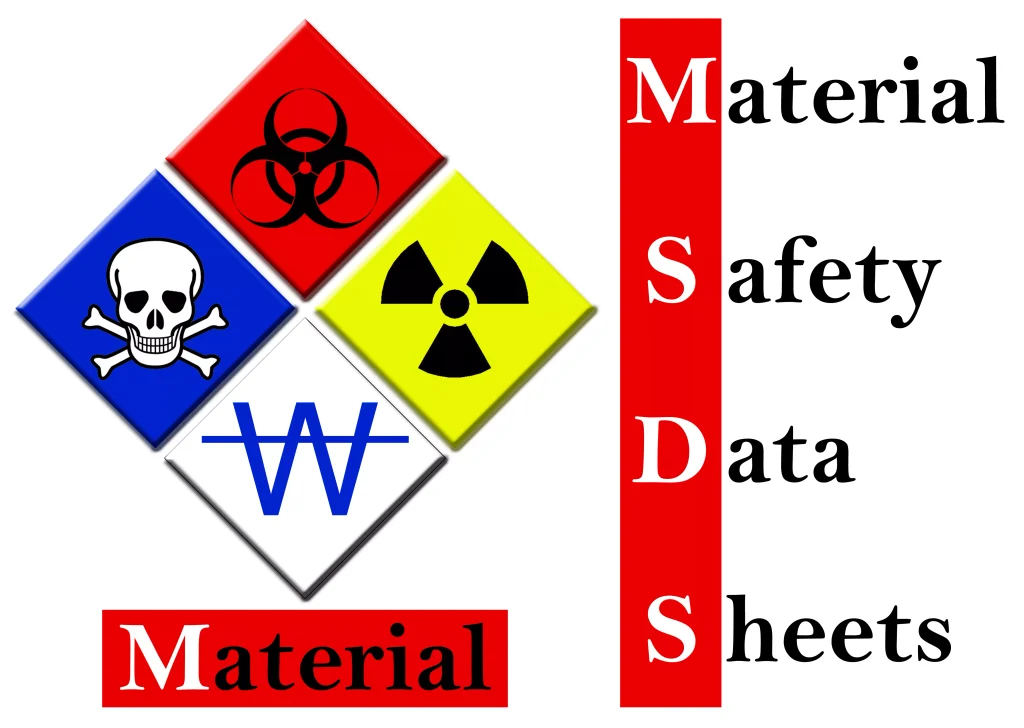
The MSDS lists the battery’s hazardous properties and the handling notes for safe transport. Carriers use it to confirm the shipment can be accepted and to brief staff on safe handling. It is a standard part of the battery parcel file alongside the test summary.
The transport document and declaration
Beyond the test summary and MSDS, the shipment needs the correct transport document that names the battery type and packing. Depending on the battery and how it is packed, a dangerous-goods declaration may also be required to formalize the acceptance.
When a dangerous-goods declaration is required
It depends on the battery type and packing. Standalone cells or high-capacity batteries are more likely to need a full declaration, while small packed-with batteries may qualify for reduced marking. The packing type decides the exact requirement, so confirm against the specific battery before booking.
Air vs sea documents
Air and sea shipments follow different acceptance and documentation requirements. Goods that cannot use a parcel line need a separate service review; do not assume that ocean freight automatically accepts the same battery configuration.
How the documents connect to the rest of shipping
The battery documents sit alongside the commercial invoice, which must describe the goods accurately. They also matter under DDP terms, where the seller owns clearance. If the parcel goes to Europe, the same set applies on Europe parcel lines.
Bottom line
A battery parcel from China needs a UN38.3 test summary, an MSDS, and the correct transport document, with a dangerous-goods declaration added when the battery type requires it. Prepare the set before quoting, because missing documents are the most common reason a battery shipment is refused.
Frequently asked questions
What documents does a battery parcel need from China?
At minimum, lithium battery shipments need a UN38.3 test summary, an MSDS (material safety data sheet), and the correct transport document. Some battery types also need a dangerous-goods declaration.
What is a UN38.3 test summary?
UN38.3 is the UN test standard for lithium batteries. The test summary confirms the cells passed the required safety tests and is expected by carriers and customs for air transport.
What is an MSDS for a battery shipment?
The MSDS lists the battery’s hazardous properties and handling notes. Carriers use it to confirm the shipment can be accepted and to brief staff on safe handling.
Is a dangerous-goods declaration always required?
It depends on the battery type and how it is packed. Standalone or high-capacity cells are more likely to need a full declaration, while small packed-with batteries may qualify for reduced marking.
Do I need different documents for sea vs air?
Air and sea follow different rules, and sea batteries often move under separate handling such as LCL freight. Cosmetics that contain batteries, for example, are usually handled through sea LCL rather than parcel lines.