On this page
Lithium batteries for shipping split into three packing types: installed (built into a device), packed-with (shipped with the device in the same box), and standalone (loose cells or power banks). Each follows a different IATA packing instruction: PI965 for standalone, PI966 for packed-with, and PI967 for installed. This guide explains the differences, the acceptance conditions, and how carriers treat each. For the paperwork behind any of them, see the required battery documents.
The three packing types
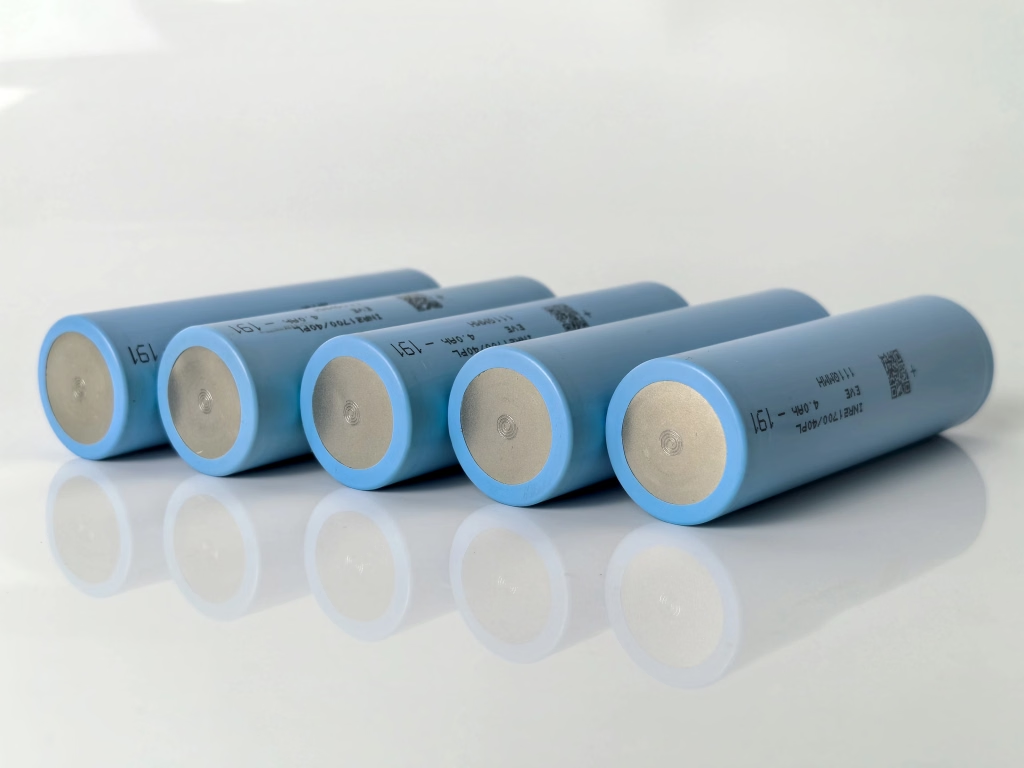
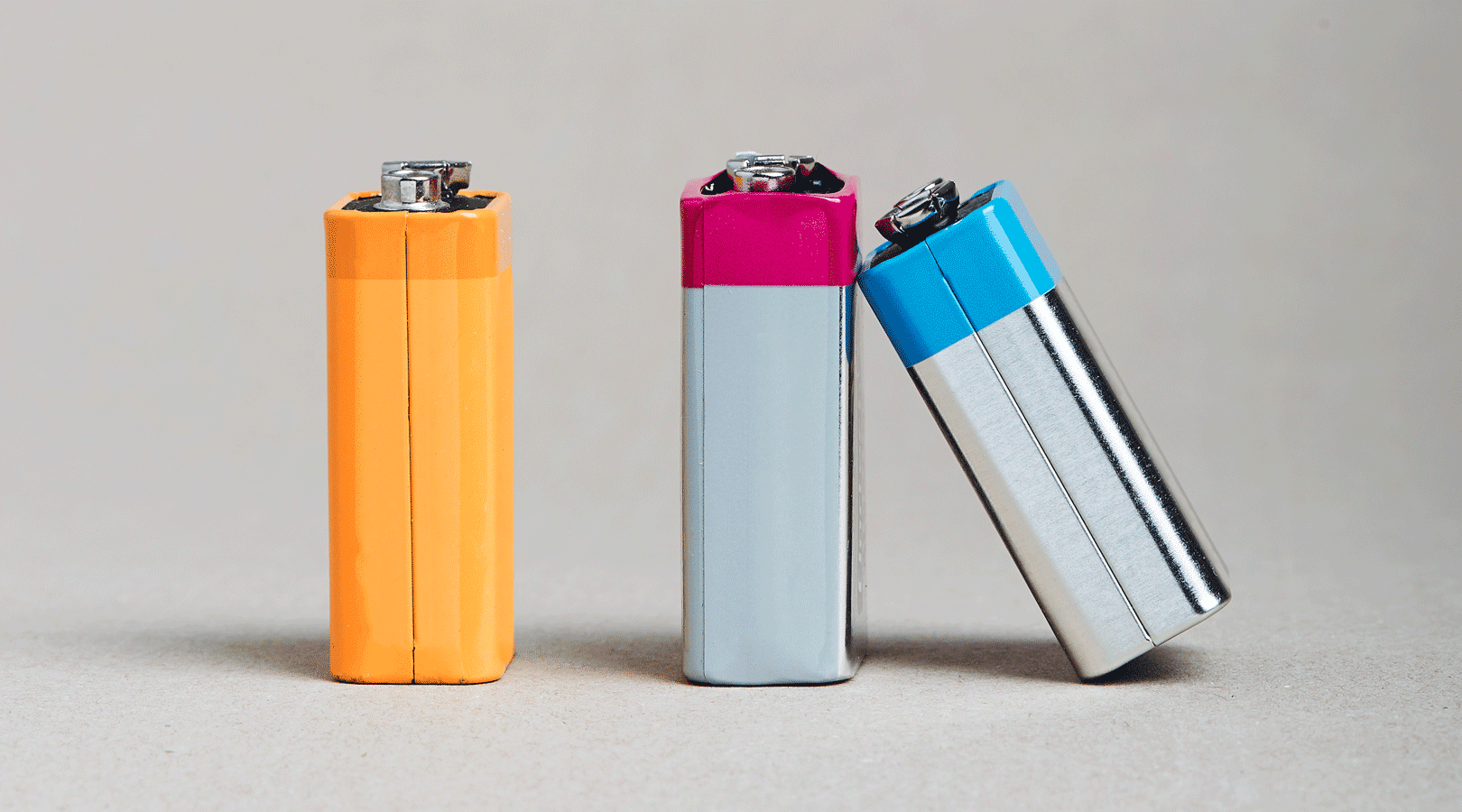
Installed means the battery is built into the equipment, such as a phone or a laptop. Packed-with means the battery ships in the same package as the device but separate from it. Standalone means loose cells, spare batteries, or power banks shipped on their own. The type changes the rules more than the chemistry does.
PI965, PI966, PI967 explained
| Packing type | IATA instruction | Typical treatment |
|---|---|---|
| Standalone | PI965 | Strictest, often declared |
| Packed-with | PI966 | Marking and limits apply |
| Installed | PI967 | Lightest restrictions |
Each instruction sets its own marking, state-of-charge limit, and quantity rules. The packing type you use decides which instruction applies, so classify the shipment before you book it.
Installed vs standalone acceptance
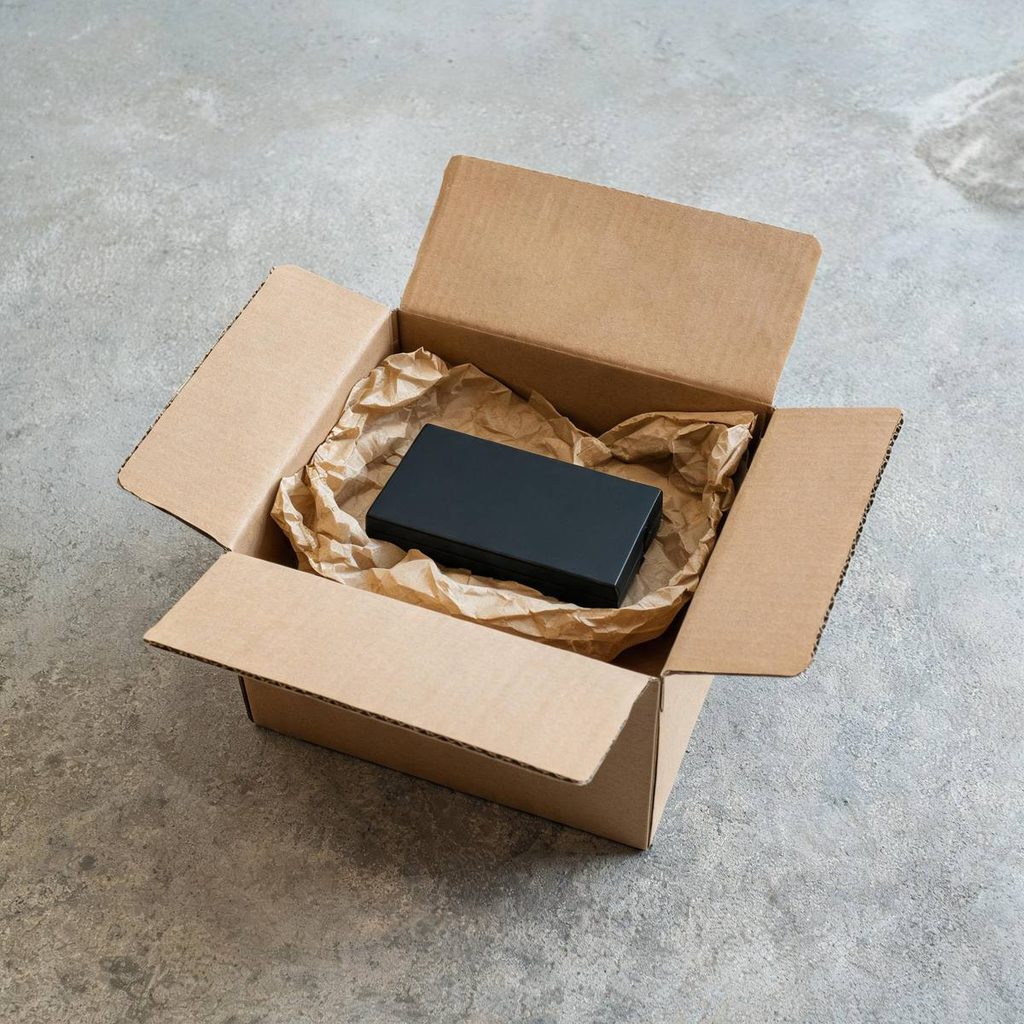
Installed batteries inside equipment face lighter restrictions than loose cells or power banks, which are treated as higher risk. That is why a laptop often ships more easily than a box of spare power banks, even with the same cells inside.
Documents still required for all three
The underlying battery still needs UN38.3 testing and an MSDS regardless of packing type. The packing instruction then decides the marking, declaration, and acceptance steps on top of those required battery documents.
DDP and duties
Under DDP and duties, the seller owns clearance, which is useful when battery shipments carry extra scrutiny. The term does not change the safety rules, but it keeps the delivery experience consistent for the buyer.
Commercial invoice and declarations
The commercial invoice should describe the battery and device accurately so customs can match the declaration. Inconsistent descriptions are a frequent cause of holds on battery goods.
Overseas warehousing and battery fulfillment
Some teams pre-position compliant stock closer to buyers to shorten delivery, but battery storage and fulfillment carry their own rules. Compare the model against direct shipping before committing, and review overseas warehouse fulfillment options if local stock makes sense. Our battery-powered goods page covers the destination handling.
Bottom line
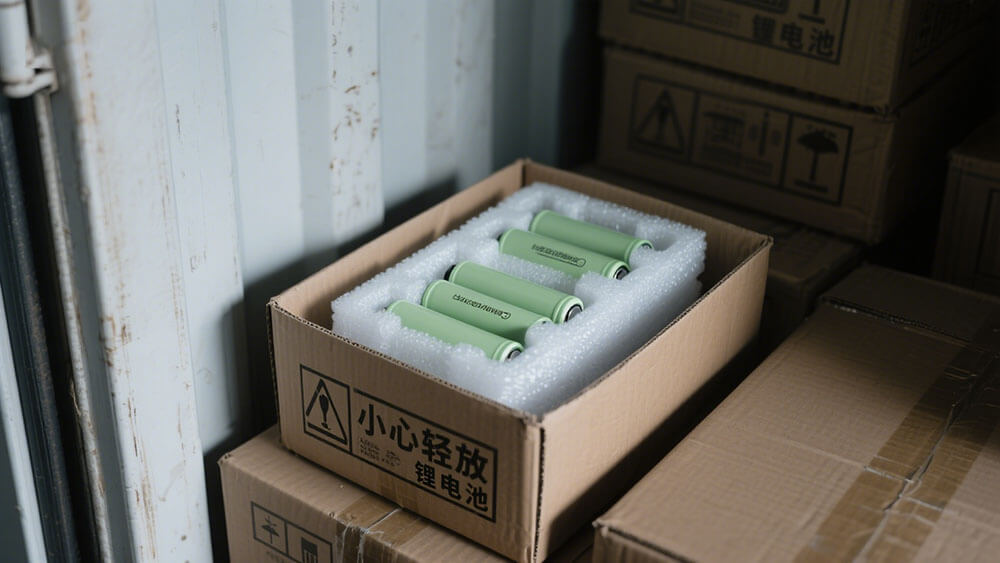
Installed, packed-with, and standalone lithium batteries follow PI967, PI966, and PI965 respectively, with standalone facing the strictest rules. All three still need UN38.3 and MSDS, and the packing type decides the marking and acceptance steps a carrier applies.
Frequently asked questions
What are the three lithium battery packing types?
Installed means the battery is built into the device, packed-with means it ships alongside the device in the same package, and standalone means loose cells or power banks shipped alone.
What do PI965, PI966, and PI967 mean?
They are IATA packing instructions: PI965 for standalone batteries, PI966 for packed-with, and PI967 for installed. Each sets its own marking, state-of-charge, and quantity limits.
Are installed batteries easier to ship than standalone?
Generally yes. Installed batteries inside equipment face lighter restrictions than loose cells or power banks, which are treated as higher risk and need stricter documentation.
Do all three types need UN38.3 and MSDS?
The underlying battery still needs UN38.3 testing and an MSDS. The packing instruction then decides the marking, declaration, and acceptance steps on top of those documents.
Can overseas warehousing help with battery fulfillment?
Some teams pre-position compliant stock closer to buyers to shorten delivery, but battery storage and fulfillment carry their own rules. Compare the model against direct shipping before committing.