On this page
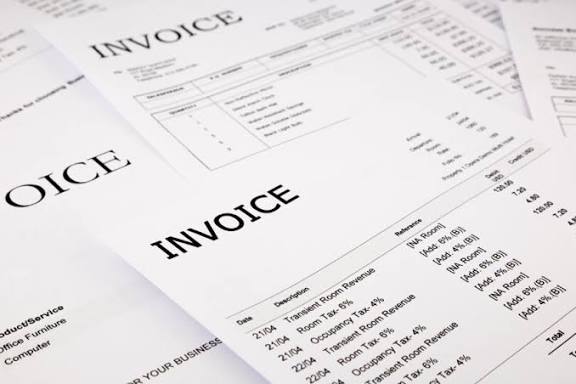
A commercial invoice for China exports is the document that declares what you ship, its value, and its origin so customs can assess duty and decide whether to inspect. Accurate product names, the correct HS code, and complete paperwork help parcels clear faster and avoid costly holds.
This guide walks through each field and the mistakes that cause delays. The invoice is also the backbone of DDP and DAP clearance, so getting it right supports either term.
What the commercial invoice is for
Customs uses the invoice to classify the goods, calculate duty, and confirm the shipment matches its description. A clear, consistent invoice reduces inspection risk and speeds release. Treat it as a declaration, not just a formality, because errors there ripple into delays and extra fees.
Product name accuracy
Describe the goods specifically and truthfully. “Electronic accessory” is vague; “wireless Bluetooth earbuds, model X” is clear. Vague names slow clearance and raise inspection risk because customs cannot classify what it cannot identify. Match the description to the actual item in the box.
HS code and classification
The HS code is the global number used to classify goods for duty. The right code points to the correct rate and rules; the wrong one can trigger re-assessment or holds. If you are unsure, confirm the code with your forwarder or a customs resource before shipping, because the code drives the duty outcome.
Declared value
The declared value should reflect the true transaction value. Under-declaring to dodge duty is a compliance risk and can cause seizure or penalties, while over-declaring needlessly raises duty. Use the real sale or pro-forma value and keep it consistent across the invoice and the order.
Quantity, origin, and incoterms
List the quantity, country of origin, and the agreed incoterm such as DDP or DAP. These fields tell customs where the goods came from and who bears which cost. Consistent details across documents prevent mismatches that trigger a second look.
Battery goods and extra documents
Battery items need the proper transport document set in addition to the invoice. The commercial invoice should describe the goods accurately, with the battery documents attached separately so the carrier and customs have the full picture.
How it connects to quotes and clearance
The invoice value and weight feed both chargeable weight billing and duty calculation, and they appear when you compare quotes fairly. Our customs preparation page explains the surrounding documents in more depth.
Bottom line
Fill the commercial invoice with specific product names, the correct HS code, a true declared value, and consistent origin and incoterm details. Accuracy is what keeps parcels moving, while vague or mismatched data is the most common cause of customs delay.
Frequently asked questions
What is a commercial invoice for China exports?
It is the document that declares what you are shipping, its value, and its origin. Customs uses it to assess duties and decide whether to inspect the parcel, so accuracy matters.
Why must product names be described accurately?
Vague names slow clearance and raise inspection risk. A specific, truthful description lets customs classify the goods correctly and avoids delays from mismatched declarations.
What is an HS code and why does it matter?
The HS code is the global number used to classify goods for duty. The right code points to the correct rate and rules; the wrong one can trigger re-assessment or holds.
Should the invoice value match the sale price?
Yes. The declared value should reflect the true transaction value. Under-declaring to dodge duty is a compliance risk and can cause seizure or penalties.
Do battery goods need special invoice notes?
Battery items need the proper transport document set in addition to the invoice. The commercial invoice should describe the goods accurately, with the battery documents attached separately.