On this page
Customs reads the HS code before it reads anything else. For a China ecommerce parcel, that six-digit number sets the duty rate and the clearance path. This guide shows how to get it right.
What an HS code does
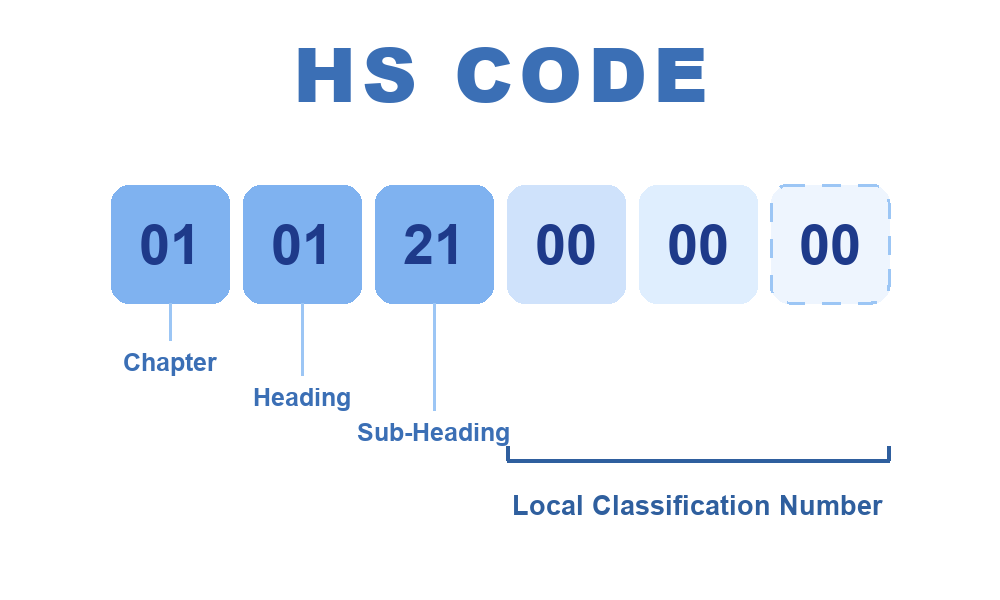
The Harmonized System is the global product language run by the WCO. Over 200 countries use it to set tariffs and track trade. The first six digits are international; the US adds digits to form the HTS code.
The code drives three outcomes: the MFN duty rate, whether Section 301 surcharges apply, and how likely the parcel is to be inspected. A precise code costs less and clears faster than a vague one.
How HS affects your parcel
Two parcels with the same price but different codes can owe very different duty. A cotton T-shirt (Chapter 61) and a polyester one may sit in different brackets, and only some codes fall on a Section 301 list.
Because the US ended de minimis in 2025, the code matters at every value. Our tariff guide explains how the code feeds the duty stack.
The classification steps
Follow the same order customs uses. The table lists each step.
| Step | What to do |
|---|---|
| 1. Material | Name the main substance — cotton, plastic, lithium, steel |
| 2. Function | State what it does — lights, charges, wears, cleans |
| 3. Form | Say if it is retail-ready, a set, or parts |
| 4. Drill down | Match those facts to the HS chapter and heading |
| 5. Confirm | Request a binding ruling if the code is close |
Start from the general chapter, not from a rate you hope for. Picking a code to lower duty is misclassification, and customs can reverse it.
Where common ecommerce goods land
The table maps frequent categories to their HS chapters so you can start the search.
| Product type | Typical chapter |
|---|---|
| Apparel and textiles | 61–62 |
| Footwear | 64 |
| Toys and games | 95 |
| Phones and electronics | 85 |
| Plastics and articles | 39 |
| Furniture | 94 |
Battery products add a layer: they need UN38.3 and MSDS documents regardless of the code. See our battery parcel documents guide before you book.
Keep three things consistent
The invoice description, the customs declaration, and the physical goods must match. A mismatch is the top cause of holds and re-assessment.
Use the same material, quantity, and value on each. Our commercial invoice guide walks through the fields customs checks first.
HS 2027 is coming
The current HS 2022 edition runs through December 31, 2026. HS 2027 takes effect January 1, 2027, with about 300 amendments and hundreds of new subheadings, especially for electronics, batteries, and green goods.
If you sell affected products, re-check your codes before 2027 so quotes and invoices stay accurate. The change is global, so both US- and EU-bound parcels shift.

Common mistakes
Guessing a code from a similar product, using a marketplace category instead of the HS chapter, and letting the description drift from the goods all cause delays. None of these saves money once customs corrects the entry.
When in doubt, ask a broker or request a binding ruling. A confirmed code protects you if customs later questions the shipment.
Bottom line
The HS code sets the duty, the Section 301 match, and the clearance speed for every China parcel. Classify by material, function, and form, keep your documents consistent, and watch the HS 2027 change if your products are affected. When the shipment is ready, request a quote with the code noted.
Frequently asked questions
What is an HS code and how long is it?
It is the Harmonized System number that classifies traded goods. The first six digits are the same worldwide; the US extends them into a 10-digit HTS code that sets the exact duty rate.
Why does the HS code matter for a small parcel?
It sets the MFN duty rate and whether Section 301 surcharges apply. Since the US ended de minimis in 2025, the code affects duty at every value, not just large shipments.
How do I find the right HS code?
Start from the product’s material, function, and form, then match them to the HS chapter and heading. If the code is uncertain, request a binding ruling from customs or ask a broker.
What happens if I use the wrong HS code?
Customs can re-assess the duty, delay the parcel, or flag the importer. A mismatch between the invoice and the goods is a common trigger, so keep all three documents consistent.
Do battery products need a special HS code?
The code follows the product type, but battery parcels also need UN38.3 and MSDS documents. The transport rules apply on top of the classification, so plan both before shipping.
What changes with HS 2027?
The HS 2022 edition expires December 31, 2026. HS 2027 starts January 1, 2027 with roughly 300 amendments and many new subheadings for electronics, batteries, and environmental goods. Re-verify codes for affected products before the switch.