On this page
You checked the tracking and saw “customs cleared,” then nothing for three days. The status text rarely explains what happens next, so sellers and buyers both guess. This guide maps each common event to what it means and what you should do.
The journey in five stages
Every cross-border parcel follows the same basic path. The scan names differ by carrier, but the stages stay constant.
| Stage | What you see | What it means |
|---|---|---|
| Acceptance | Order accepted, picked up, shipped | The seller or consolidator has the parcel and created the label. |
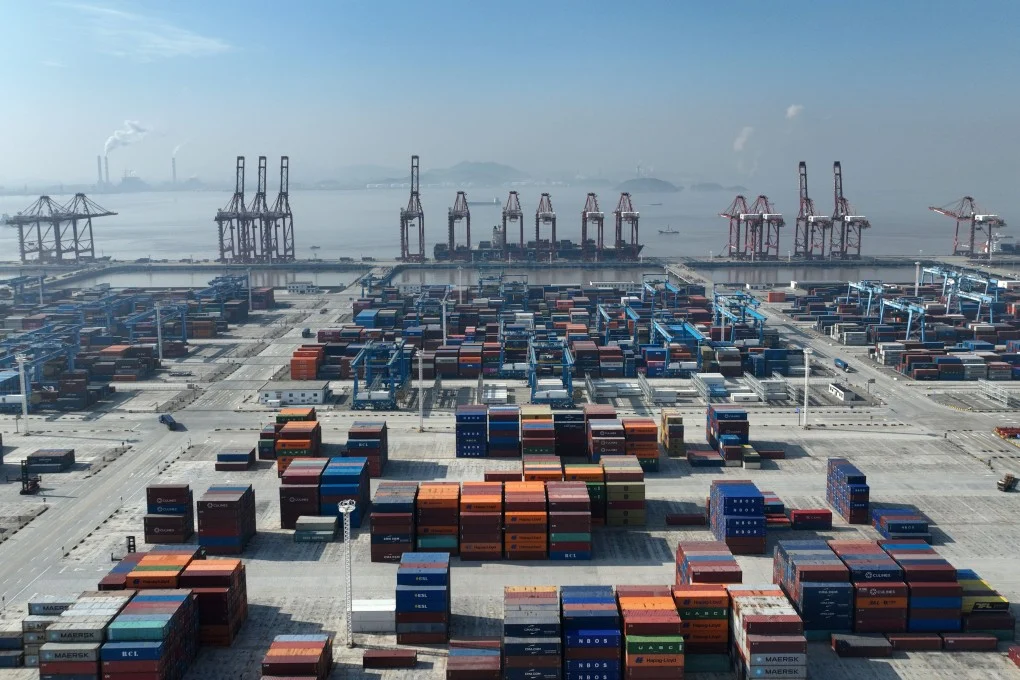
| Export | Departed origin, exported from China | The parcel left China and entered the international leg. |
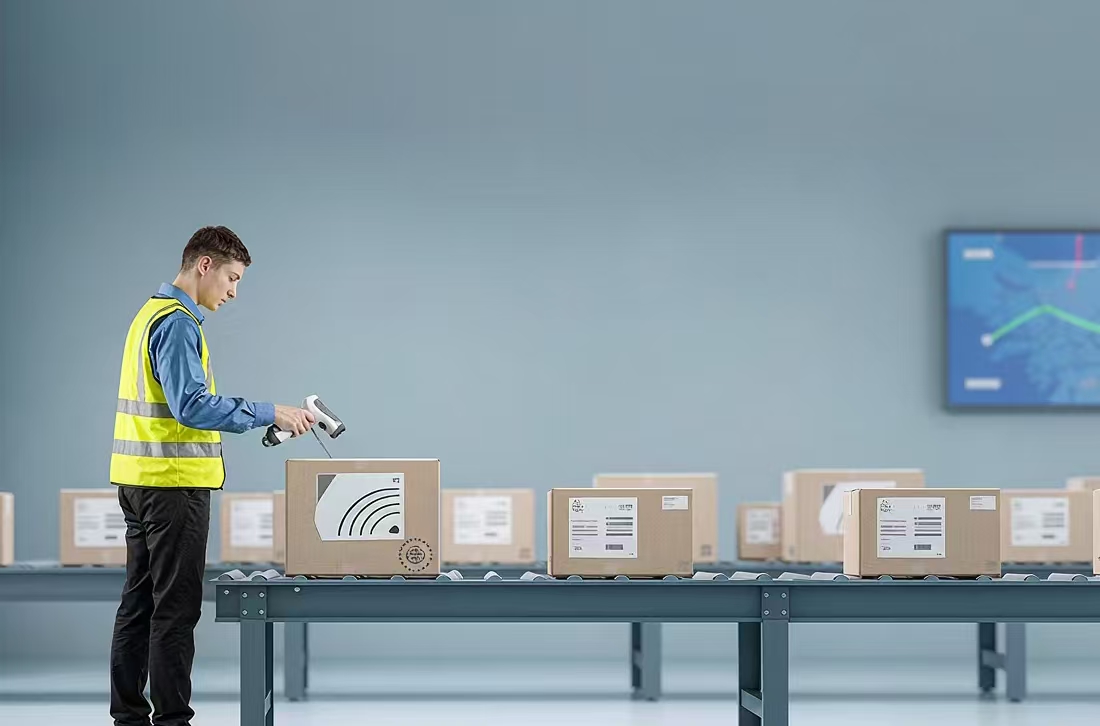
| US arrival | Arrived at destination, import scan | The parcel landed in the US and joined the mail or carrier network. |
| Customs | Customs cleared, held, inspected | CBP assessed duty or held the parcel for review. |
| Last-mile | Out for delivery, delivered, exception | A US carrier finishes the delivery to the door. |
What “departed origin” really tells you
This scan means the parcel left the seller’s city, not the factory floor. Pickup, consolidation, and flight booking can add one to three days before this appears.
If you never see “departed origin,” the parcel likely still sits at the seller or the consolidation warehouse. Ask the seller to confirm the handoff date before assuming a carrier problem.
US arrival and the customs step
After landing, CBP processes the parcel. Low-value shipments now require formal or informal entry because the $800 de minimis exemption ended in 2025, so even small parcels can draw a duty scan.
“Customs cleared” means CBP released the parcel. “Held” or “inspection” means CBP wants documents or a fee. A duty bill under DDU reaches the buyer before release; under DDP the seller already paid it.
Why tracking freezes at customs
Customs holds show no movement for days because the parcel waits in a queue, not in transit. This is normal and usually resolves without action from you.
If the hold passes seven business days, the buyer should ask the carrier for the CBP case number and share it with the seller. The seller can then supply the commercial invoice and HS code to speed release.
Exceptions and failed deliveries
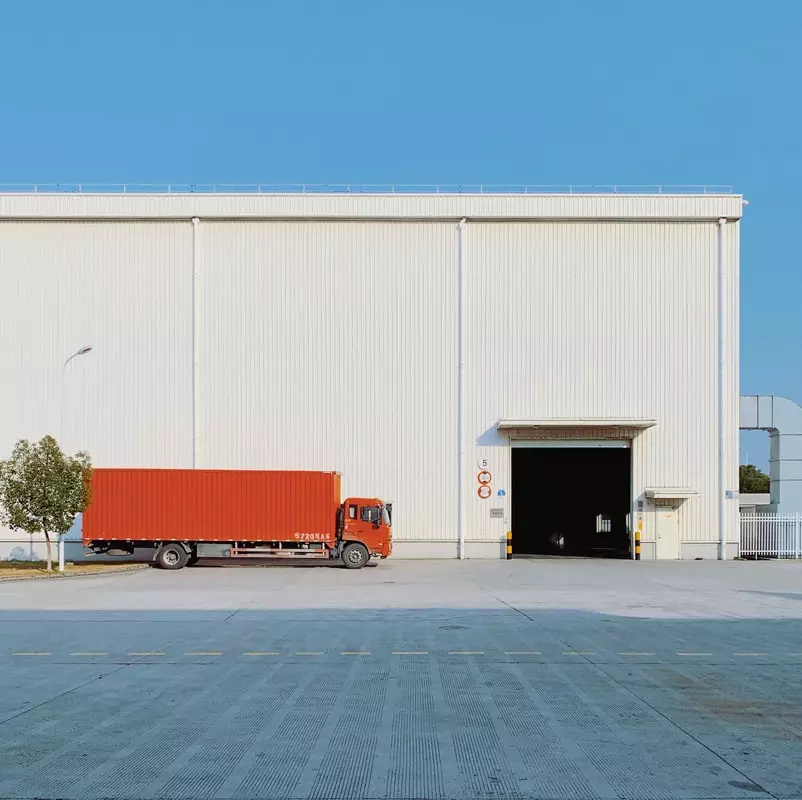
An “exception” scan covers many issues: a missed delivery, a wrong address, or a refused parcel. The event text names the cause when the carrier logged one.
For a failed delivery, the carrier usually attempts redelivery or holds the parcel at a local facility. A wrong unit number or missing ZIP triggers an address-correction fee, so confirm the address before the parcel ships.
Status phrases you’ll see
The same event wears different labels across carriers. This table maps the common phrases to one action.
| Status phrase | Meaning | What to do |
|---|---|---|
| In transit | The parcel is moving between facilities | Wait; no action needed |
| Arrived at facility | It reached a sorting center | Wait for the next scan |
| Customs clearance completed | CBP released it | Expect last-mile soon |
| Available for pickup | Held at a local office | Collect or arrange redelivery |
| Exception | A delivery problem occurred | Read the reason and contact the carrier |
Who to contact, and when
Contact the seller first for anything before US arrival — they own the origin handoff and can rebook or confirm the label. Contact the last-mile carrier for “out for delivery” and “exception” issues.
For customs holds, the carrier or a licensed broker handles the entry. Our support page explains the after-sales path, and the US parcel shipping overview covers the route end to end.
Set the right expectation
The transit estimate counts from a defined point, not from the order date. Clearance and last-mile add time that the headline number ignores.
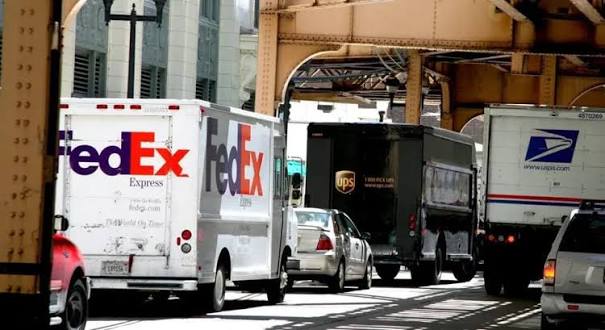
Point buyers to USPS, UPS, and FedEx last-mile handling so they know which carrier finishes the delivery.
Bottom line
Tracking events fall into five stages, and most delays sit at customs or last-mile. Read the latest scan, match it to the tables, then contact the seller before US arrival and the carrier after. When the route and parcel size are set, request a quote to see the all-in cost.
Frequently asked questions
What are the main tracking stages for a China-to-US parcel?
Five stages: acceptance, export, US arrival, customs, and last-mile. Most ‘stuck’ scans sit at customs or the final carrier rather than in the air, so read the latest event before assuming a delay.
What does ‘departed origin’ mean?
It means the parcel left the seller’s city and entered the carrier network, not that it left the factory. Pickup, consolidation, and flight booking can add one to three days before this scan appears.
Why does tracking freeze at customs?
Customs holds show no movement because the parcel waits in a queue for CBP to assess duty or review documents. This is normal and usually clears without action; past seven business days, ask the carrier for the CBP case number.
Does the $800 de minimis exemption still apply?
No. The US ended de minimis for China in 2025 and for all countries in 2026, so even small parcels can draw a duty scan at customs and may carry a duty bill under DDU.
How should I set delivery expectations for buyers?
Count the transit estimate from a defined point, not the order date, and tell buyers that clearance and last-mile add time the headline number ignores.